Original: $2.31
-65%$2.31
$0.81The Story
Though from the Artemisia family like Tarragon, these two herbs differ greatly. Historically, wormwood has had varied uses, including as a flavouring agent, medicinally and as an insect repellent. The leaves of Wormwood are intensely bitter, and are most famously used, under strict safety regulations, to flavour authentic Absinthe, the notorious French liqueur, in addition to vermouth.
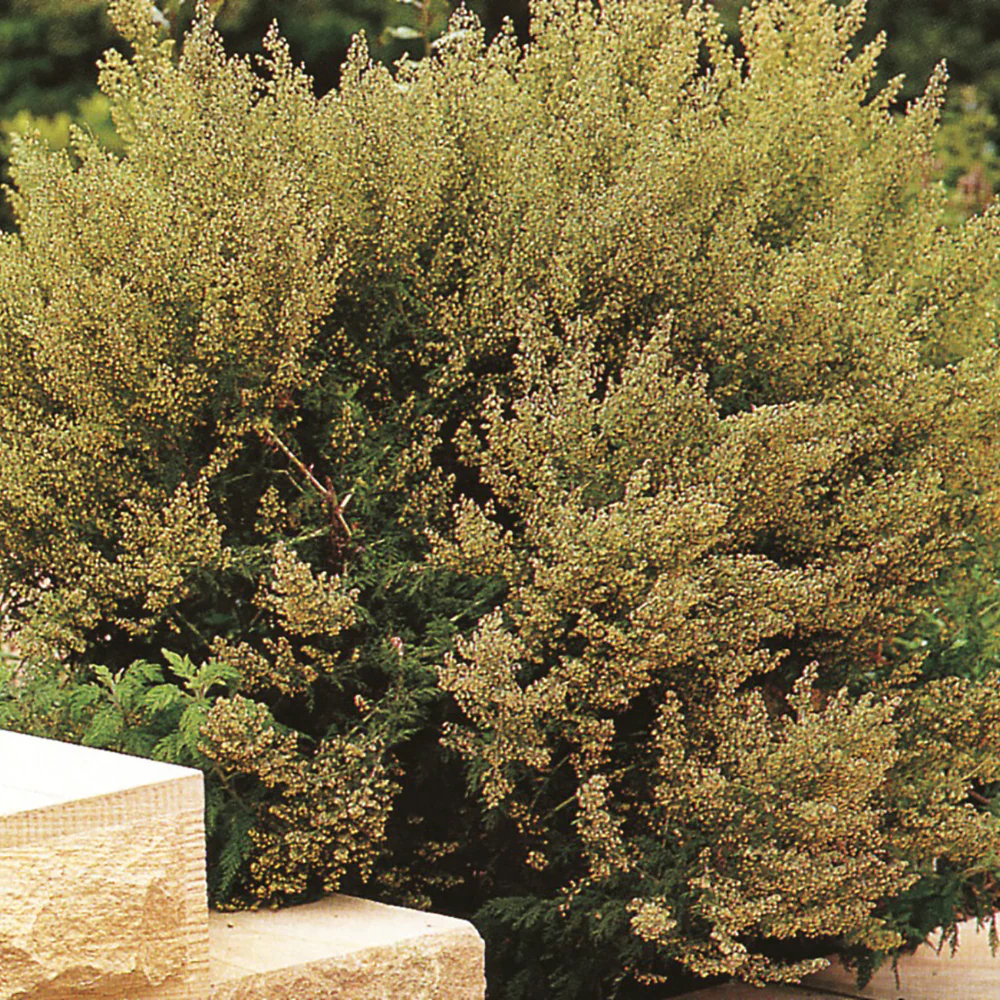
Wormwood is also appreciated as an ornamental and contrast plant in gardens because of it's finely cut silver-grey foliage. The attractive foliage is often used as a filler or foliage within cut flower arrangements and is excellent for making wreaths.
Medicinally, wormwood has been used in traditional medicine for digestive health, parasitic infections and as an anti-inflammatory and antioxidant. Medicinal use requires discussion with a medical practioner due to potential toxicity from the compound thujone.
Wormwood can be used to repel moths and fleas.
Wormwood Growing Conditions
Wormwood is easy to grow as it is tolerant of dry soils and grows well under a range of conditions. Choose a sunny position with well-drained soil to promote compact growth and strong silver colouring. Dry, open sites suit this hardy plant, especially where other plants may struggle. Avoid heavy, waterlogged ground as excessive moisture can reduce plant vigour.
Sowing Wormwood
Start seeds off in trays, sowing in spring on the surface of fine seed raising mix, pressing gently into the mix without heavy covering. Maintain light moisture until germination occurs, keeping trays in a bright, warm spot. Transplant seedlings once established, allowing space for bushy development.
Uses of Wormwood
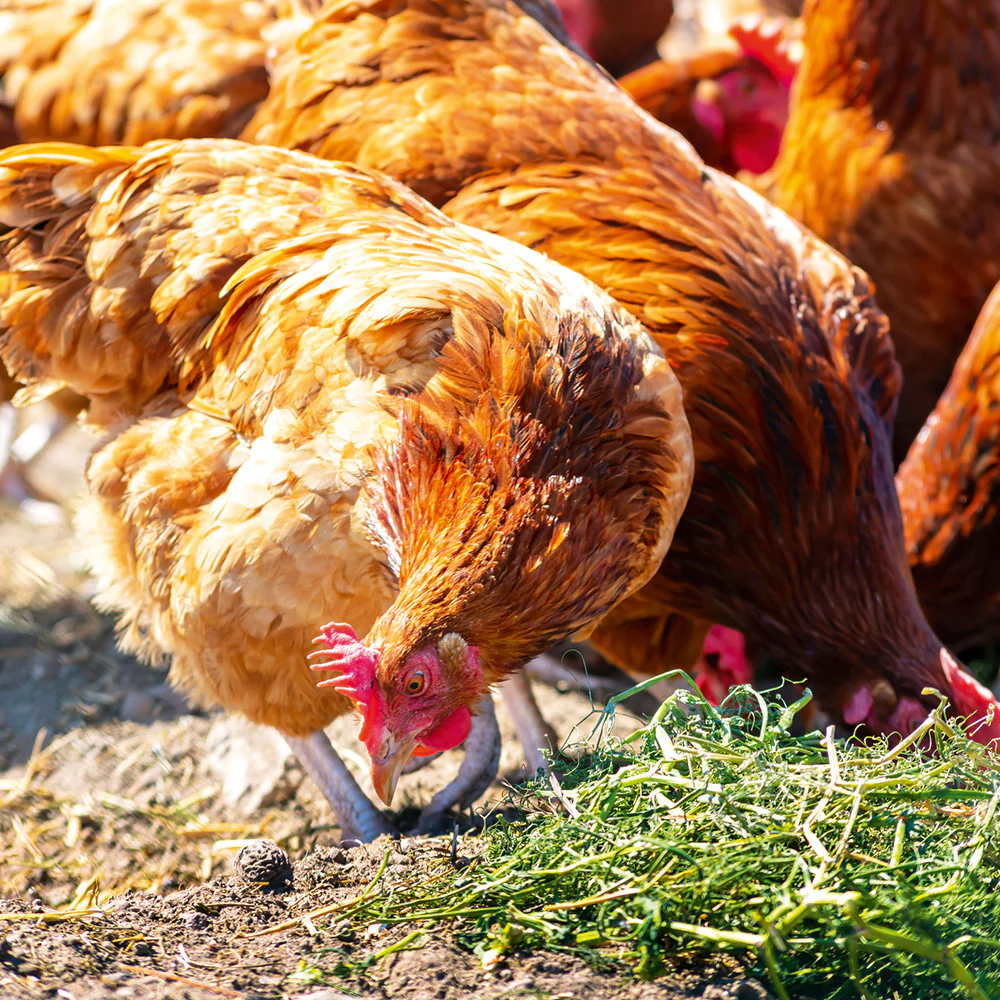
The silver-grey foliage of wormwood provides contrast within borders, gravel gardens and herb beds. Stems also add texture to wreaths and dried floral arrangements. Wormwood clippings and cuttings can be added to chicken nesting boxes to repel lice, mites and fleas. There is some thought that a botanical insecticide may be made from the leaves due to unique terpenoids present.
Description
Though from the Artemisia family like Tarragon, these two herbs differ greatly. Historically, wormwood has had varied uses, including as a flavouring agent, medicinally and as an insect repellent. The leaves of Wormwood are intensely bitter, and are most famously used, under strict safety regulations, to flavour authentic Absinthe, the notorious French liqueur, in addition to vermouth.
Wormwood is also appreciated as an ornamental and contrast plant in gardens because of it's finely cut silver-grey foliage. The attractive foliage is often used as a filler or foliage within cut flower arrangements and is excellent for making wreaths.
Medicinally, wormwood has been used in traditional medicine for digestive health, parasitic infections and as an anti-inflammatory and antioxidant. Medicinal use requires discussion with a medical practioner due to potential toxicity from the compound thujone.
Wormwood can be used to repel moths and fleas.
Wormwood Growing Conditions
Wormwood is easy to grow as it is tolerant of dry soils and grows well under a range of conditions. Choose a sunny position with well-drained soil to promote compact growth and strong silver colouring. Dry, open sites suit this hardy plant, especially where other plants may struggle. Avoid heavy, waterlogged ground as excessive moisture can reduce plant vigour.
Sowing Wormwood
Start seeds off in trays, sowing in spring on the surface of fine seed raising mix, pressing gently into the mix without heavy covering. Maintain light moisture until germination occurs, keeping trays in a bright, warm spot. Transplant seedlings once established, allowing space for bushy development.
Uses of Wormwood
The silver-grey foliage of wormwood provides contrast within borders, gravel gardens and herb beds. Stems also add texture to wreaths and dried floral arrangements. Wormwood clippings and cuttings can be added to chicken nesting boxes to repel lice, mites and fleas. There is some thought that a botanical insecticide may be made from the leaves due to unique terpenoids present.