
The Story
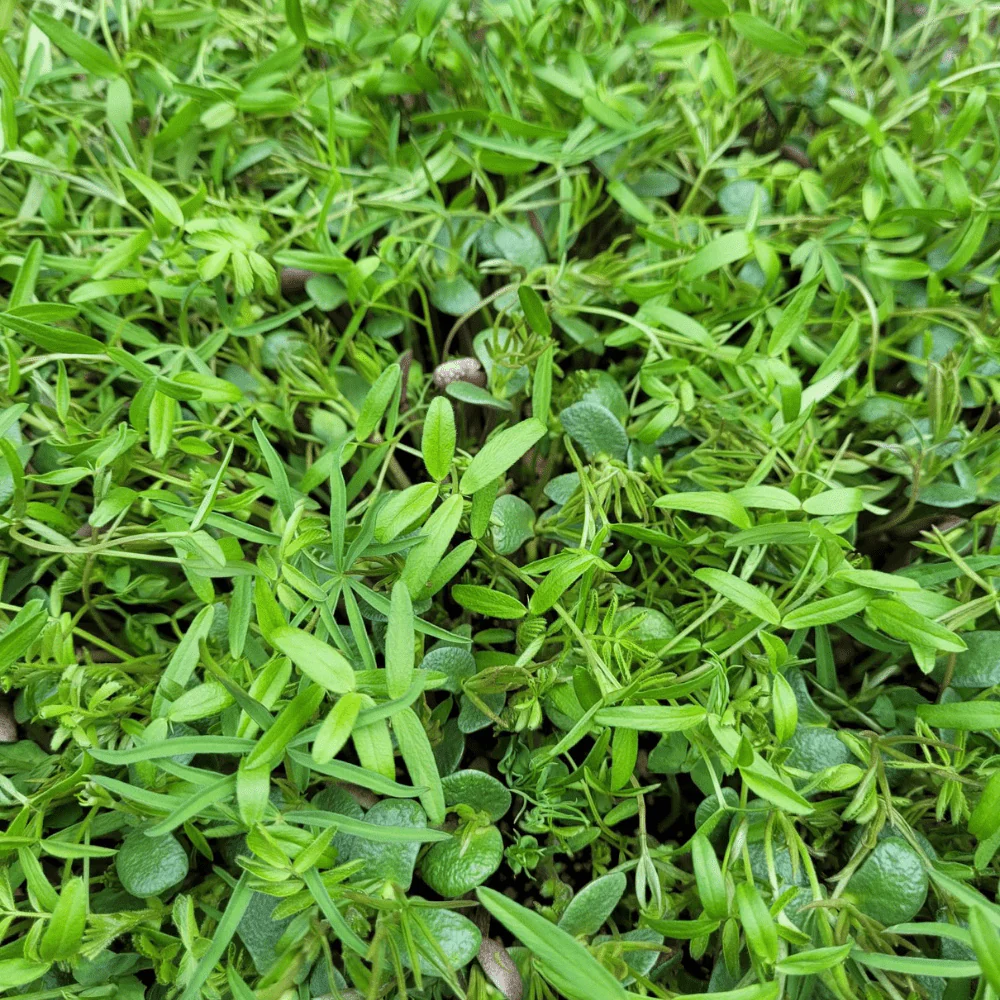
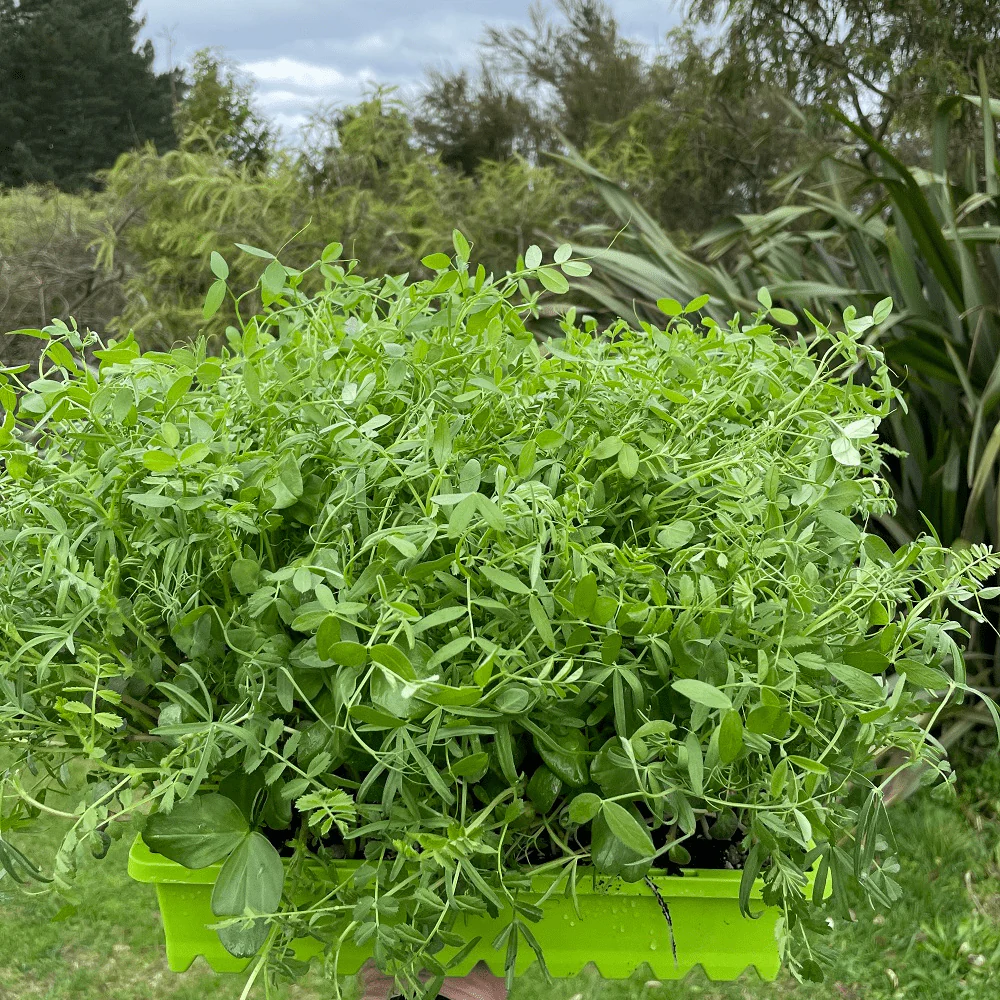
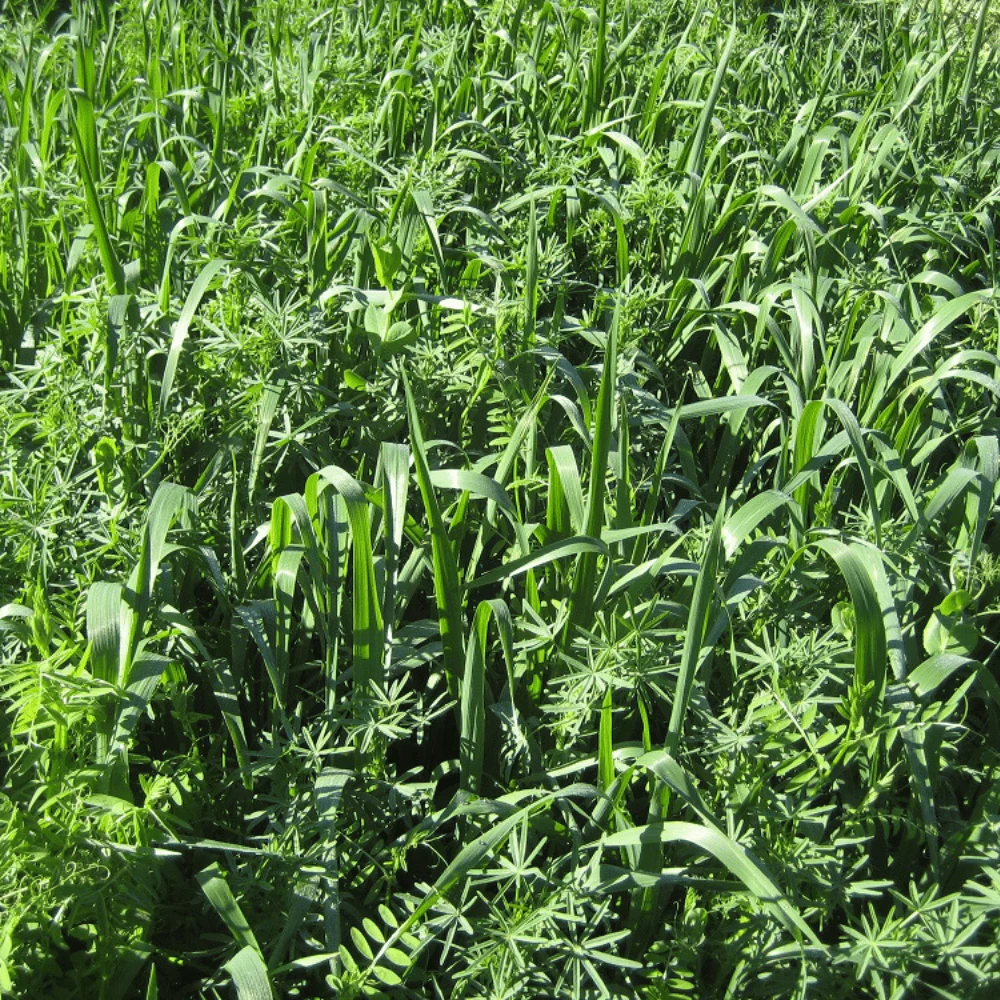
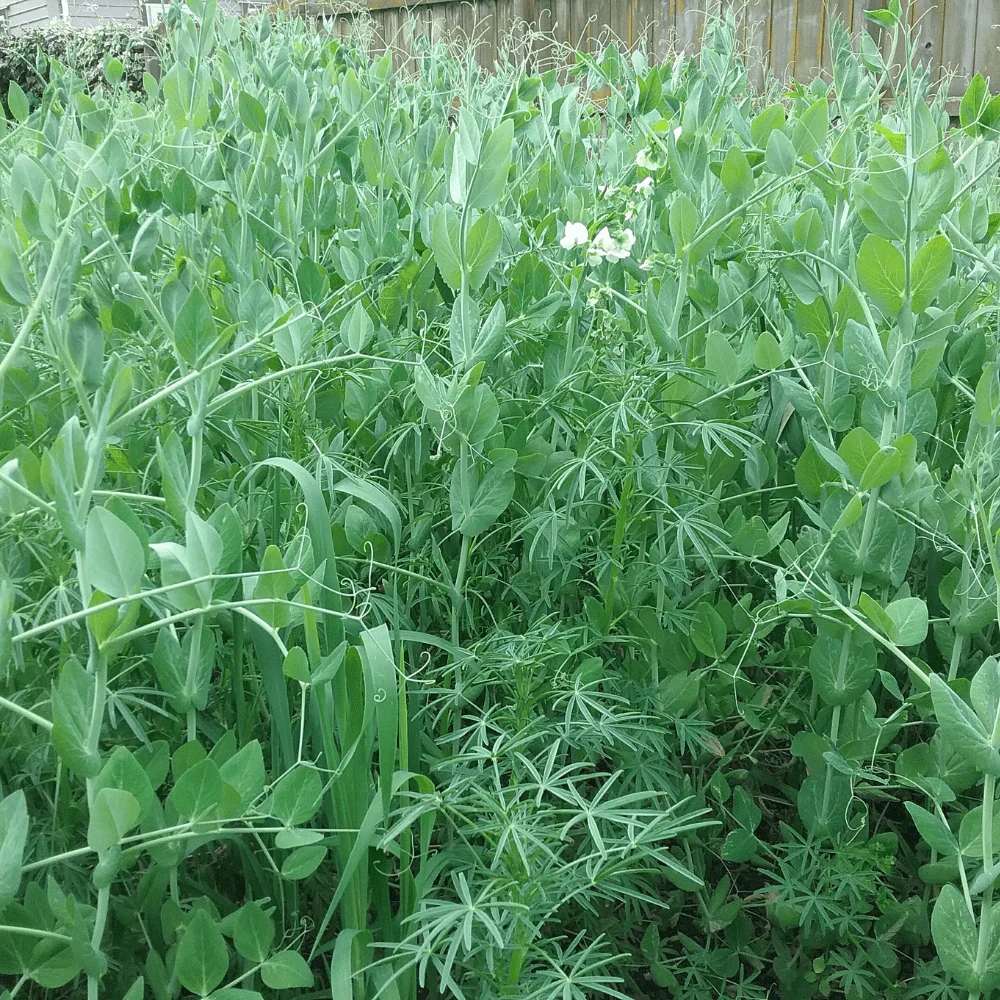
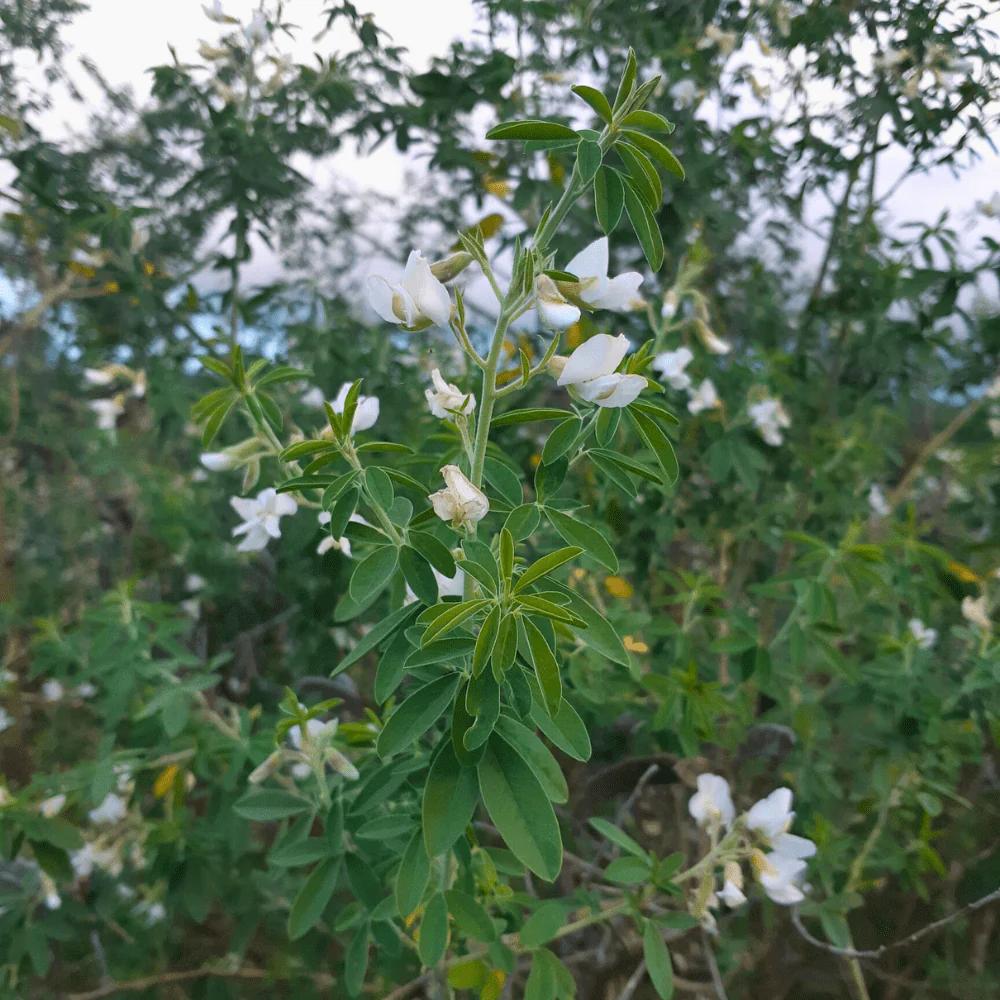
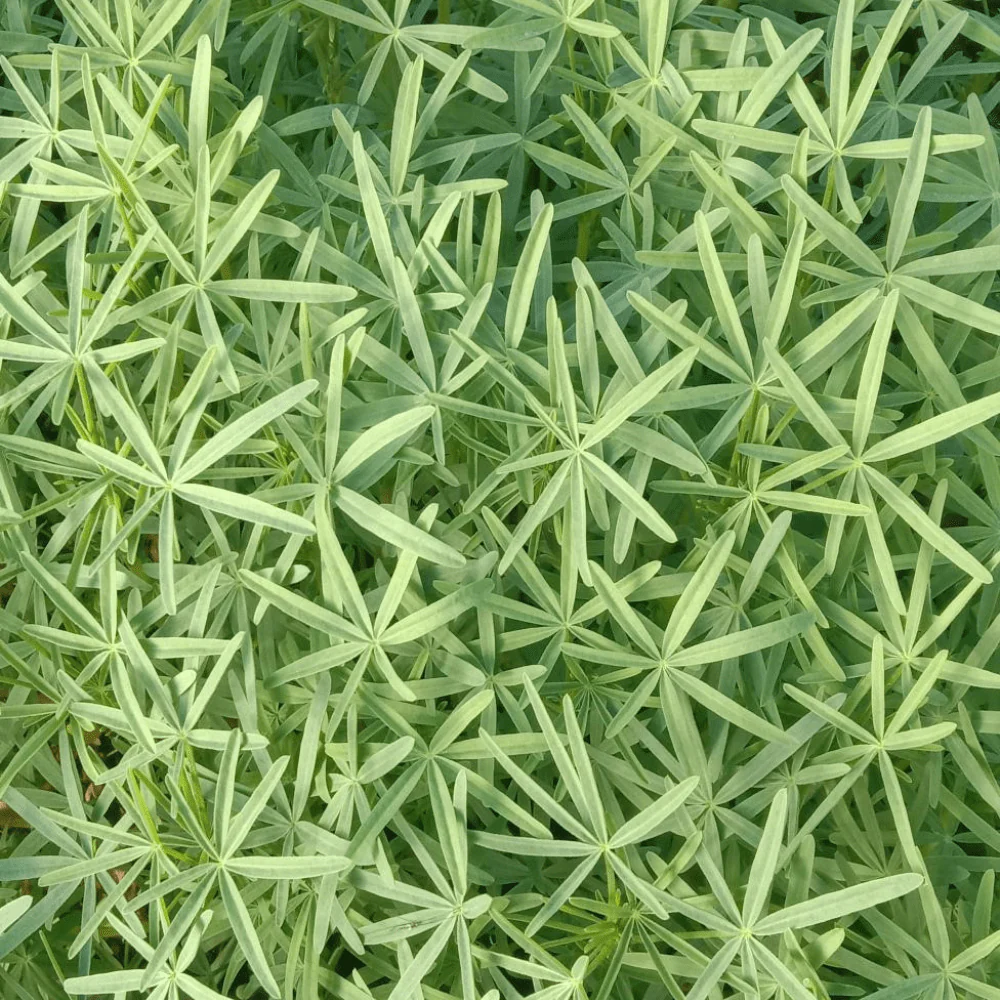
Blue lupins are a popular choice for cover crops due to their numerous benefits. These leguminous plants have nitrogen-fixing properties, which make them valuable in improving soil fertility by capturing atmospheric nitrogen and converting it into a form usable by plants. Blue lupins are also known for their deep root systems, which help break up compacted soil, enhancing soil structure and water infiltration. Additionally, they act as excellent weed suppressors, reducing the competition for resources and aiding in weed control within your garden. Their ability to add organic matter to the soil upon decomposition further contributes to soil health and overall crop productivity.
Sowing Blue Lupins
Blue lupins are adaptable to a variety of climates and soil types, making them a versatile choice for gardeners and growers looking to improve soil quality, boost plant health and productivity and enhance the overall sustainability of their garden. Directly sow blue lupin seeds in spring or autumn for best results.
North Island: You can sow slightly later (April–early May) due to milder winters.
South Island: Aim for March–April to allow enough establishment before the cold sets in.
Uses for Blue Lupins
Blue lupins serve as a beneficial rotational crop, particularly in crop rotation systems aimed at reducing reliance on synthetic fertilisers and promoting sustainable agricultural practices. As a cover crop, their dense foliage effectively shields the soil from erosion, minimises nutrient leaching, and promotes biodiversity by providing habitat for beneficial insects.

Details & Craftsmanship
Every detail has been carefully considered to bring you the perfect product.
Details & Craftsmanship
Every detail has been carefully considered to bring you the perfect product.
Description
Blue lupins are a popular choice for cover crops due to their numerous benefits. These leguminous plants have nitrogen-fixing properties, which make them valuable in improving soil fertility by capturing atmospheric nitrogen and converting it into a form usable by plants. Blue lupins are also known for their deep root systems, which help break up compacted soil, enhancing soil structure and water infiltration. Additionally, they act as excellent weed suppressors, reducing the competition for resources and aiding in weed control within your garden. Their ability to add organic matter to the soil upon decomposition further contributes to soil health and overall crop productivity.
Sowing Blue Lupins
Blue lupins are adaptable to a variety of climates and soil types, making them a versatile choice for gardeners and growers looking to improve soil quality, boost plant health and productivity and enhance the overall sustainability of their garden. Directly sow blue lupin seeds in spring or autumn for best results.
North Island: You can sow slightly later (April–early May) due to milder winters.
South Island: Aim for March–April to allow enough establishment before the cold sets in.
Uses for Blue Lupins
Blue lupins serve as a beneficial rotational crop, particularly in crop rotation systems aimed at reducing reliance on synthetic fertilisers and promoting sustainable agricultural practices. As a cover crop, their dense foliage effectively shields the soil from erosion, minimises nutrient leaching, and promotes biodiversity by providing habitat for beneficial insects.