Original: $2.31
-65%$2.31
$0.81The Story
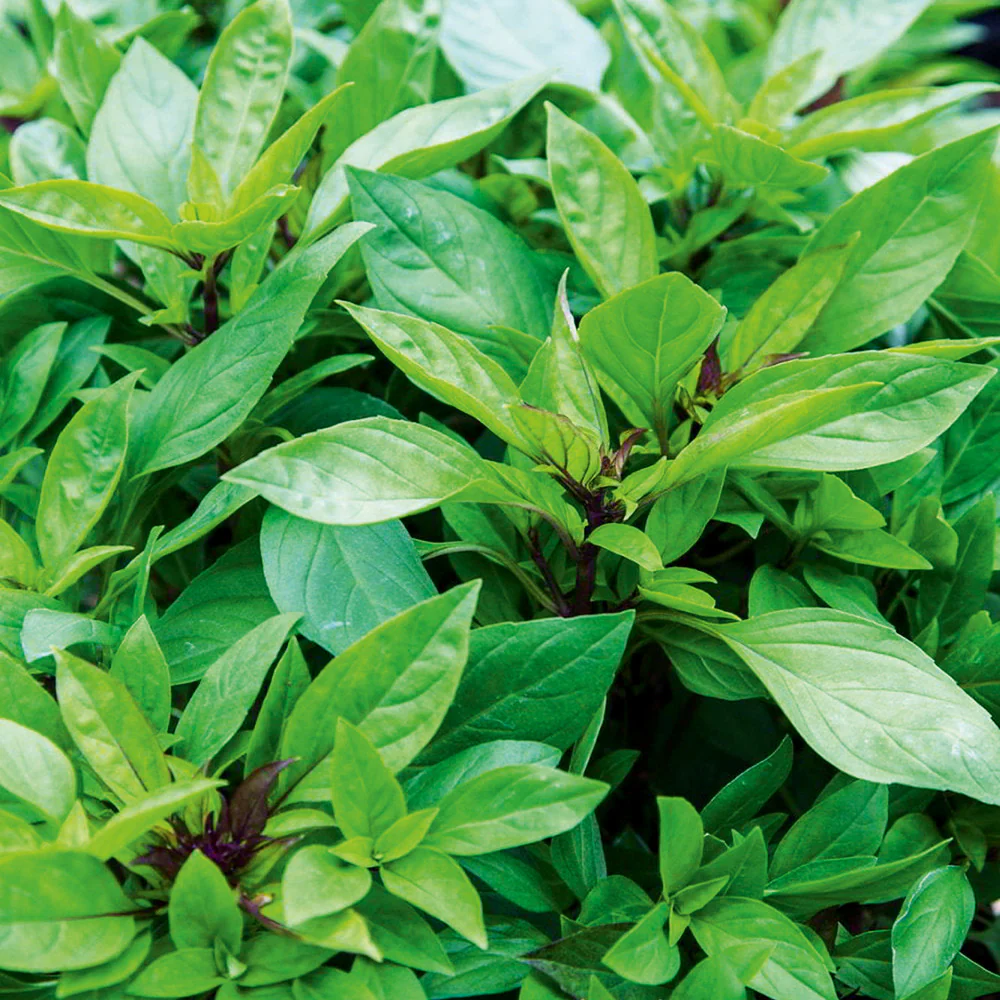
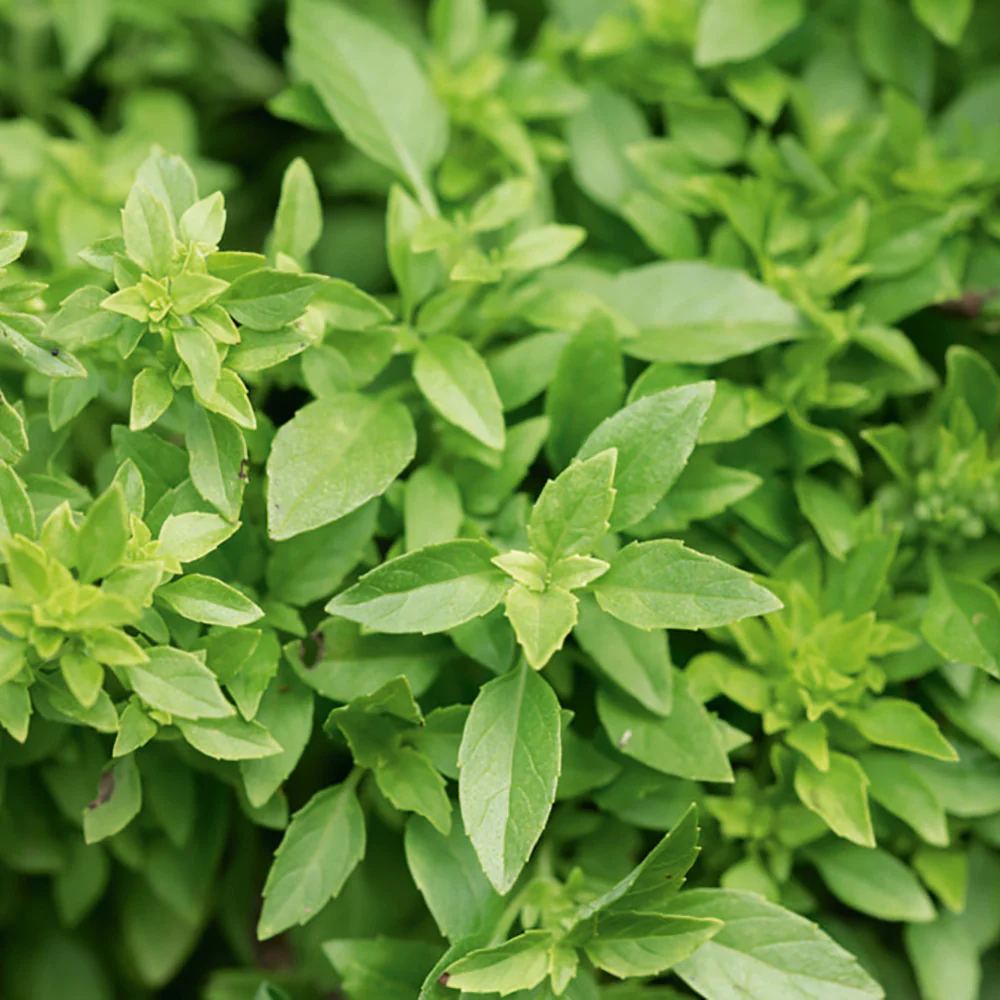
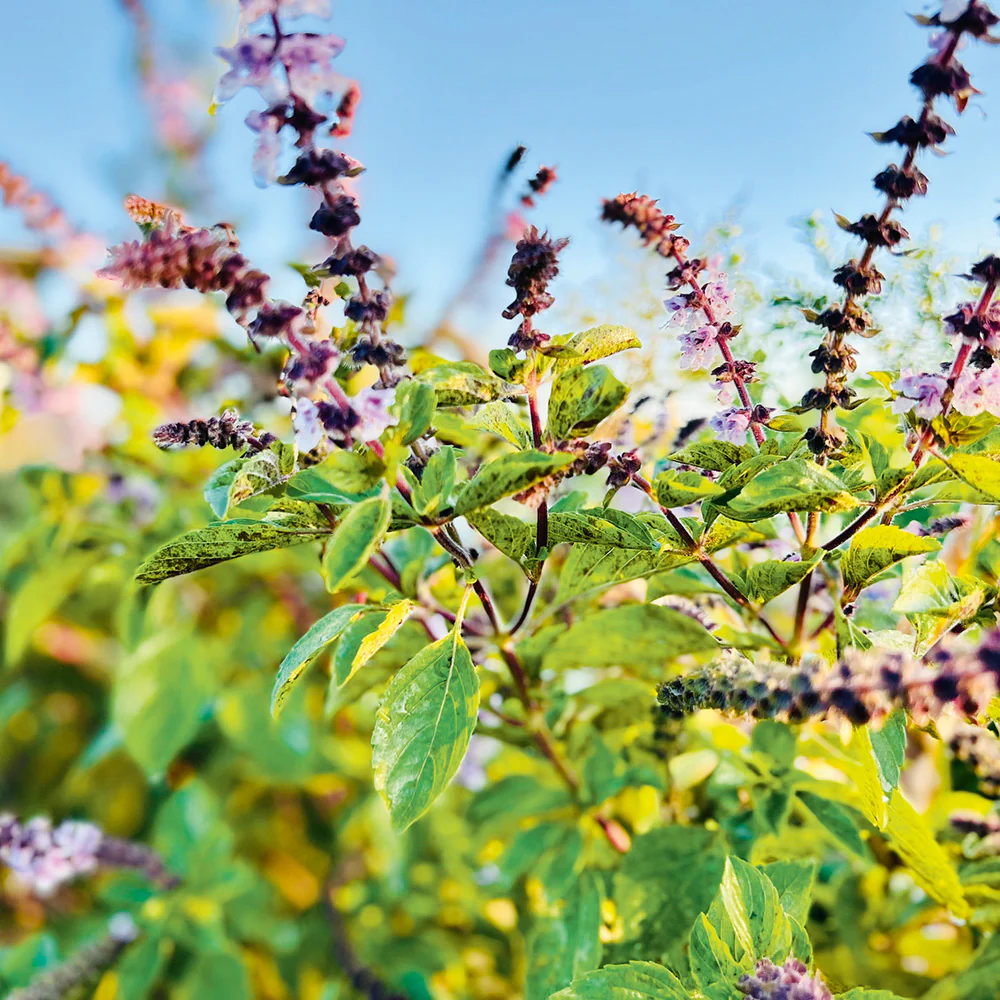
Basil Tulsi, commonly known as Holy Basil or Tulsi, is an aromatic perennial plant native to tropical and sub-tropical regions of Asia. Tulsi is cultivated for religious and traditional medicine purposes, and also for its essential oil. It is also used as a culinary herb.
It is widely used as a herbal tea, commonly used in Ayurveda, and has a place within the Vaishnava tradition of Hinduism, in which devotees perform worship involving holy basil plants or leaves. Basil Tulsi is a warm-climate perennial but is often grown as an annual in cooler regions.
Sowing Basil Tulsi
Sow seed once temperatures remain warm and frost risk passes between November and March. Surface sow onto fine seed-raising mix, pressing gently without covering. Consistent moisture will help to support even germination during the early stages.
Caring for Basil Tulsi
Sunny sheltered positions encourage healthy leaf production. Regular harvesting promotes bushier growth and delays flowering. Protection from cold conditions remains important throughout growing periods.
Uses for Basil Tulsi
Leaves feature in herbal infusions and traditional teas. Culinary use includes fresh foliage added to salads, cooked dishes or sauces. Cultural practices value tulsi for spiritual rituals, wellness gardens and aromatic planting.
Description
Basil Tulsi, commonly known as Holy Basil or Tulsi, is an aromatic perennial plant native to tropical and sub-tropical regions of Asia. Tulsi is cultivated for religious and traditional medicine purposes, and also for its essential oil. It is also used as a culinary herb.
It is widely used as a herbal tea, commonly used in Ayurveda, and has a place within the Vaishnava tradition of Hinduism, in which devotees perform worship involving holy basil plants or leaves. Basil Tulsi is a warm-climate perennial but is often grown as an annual in cooler regions.
Sowing Basil Tulsi
Sow seed once temperatures remain warm and frost risk passes between November and March. Surface sow onto fine seed-raising mix, pressing gently without covering. Consistent moisture will help to support even germination during the early stages.
Caring for Basil Tulsi
Sunny sheltered positions encourage healthy leaf production. Regular harvesting promotes bushier growth and delays flowering. Protection from cold conditions remains important throughout growing periods.
Uses for Basil Tulsi
Leaves feature in herbal infusions and traditional teas. Culinary use includes fresh foliage added to salads, cooked dishes or sauces. Cultural practices value tulsi for spiritual rituals, wellness gardens and aromatic planting.